Second season
Is It Too Late to Start a Garden in July?
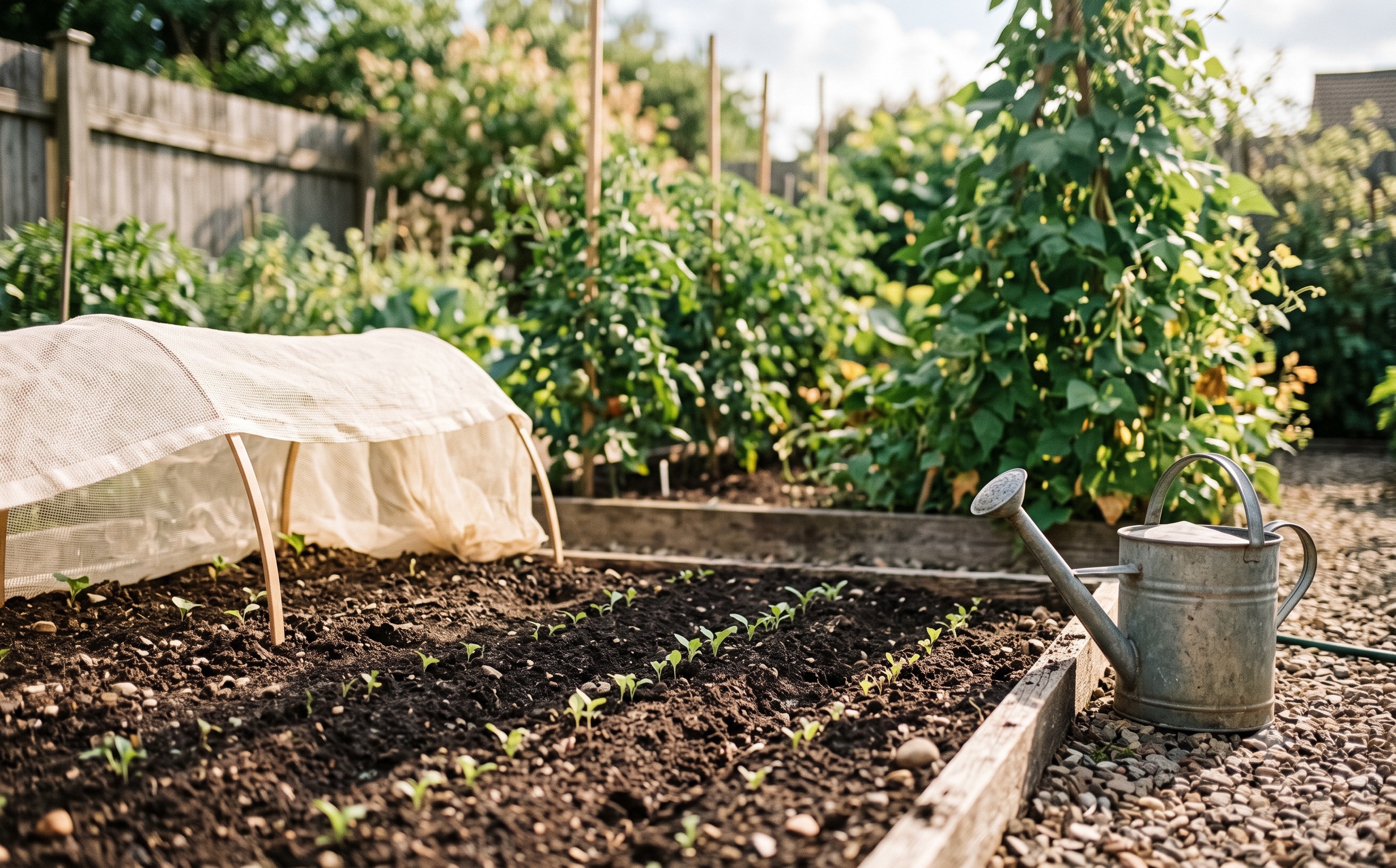
Every July someone tells me, a little sheepishly, that they missed the season and they'll try gardening next spring. I said the exact same thing my first year. Then a neighbor handed me a packet of bush bean seeds over the fence in early July, and those beans out-produced almost everything I'd planted back in May.
So let me answer the question directly: no, it is not too late. July is the start of a second planting window. Spring gets all the attention, but midsummer sowing is how gardeners in most of the country get a fall harvest. You just have to pick crops that fit the time you have left.
The math that makes July work
A crop doesn't care what month it is. It only needs enough frost-free days to mature, and if you plant in mid-July, most of the US still has 90 to 120 of them. Every seed packet prints a "days to maturity" number, and that number is your whole planting calendar.
Here's how to use it. Look up your average first frost date (search your zip code plus "first frost date"). Count backward from that date by the days to maturity on the packet. If today lands before that cutoff, plant it. A 55-day cucumber sown July 15 is ready in early September, well ahead of frost almost everywhere. That 100-day pumpkin, though? That ship sailed in June. Be honest with the math and July becomes a very forgiving month.
Download the free Beginner's Gardening Checklist
A simple two-page list of the supplies and seeds a first garden actually needs. Tell me where to send it and it's yours.
Form not loading? Some ad-blockers hide it. Tap here to sign up instead.
What you can still plant in July
Two groups work now: fast summer crops and cool-season crops that will finish in fall. For the fast group, think bush beans (50 to 55 days), cucumbers, summer squash, and zucchini (around 50 days each). These sprint in warm soil. Beans sown in July often catch up to spring plantings within weeks.
A July squash planting comes with a bonus most people never hear about. Squash vine borers, the pest that makes healthy zucchini collapse overnight, emerge as moths in early July and lay their eggs on young stems. Sow squash in mid-July and your plants come up after the worst of the egg-laying is over. Some gardeners plant their second round of squash on purpose just for this.
The second group is your fall garden: carrots, beets, lettuce, chard, and radishes sown directly, plus broccoli, cabbage, and kale started indoors now and transplanted out in late summer. These actually prefer finishing in cool weather. Carrots and kale that ripen through a light frost turn noticeably sweeter, because the plant converts starch to sugar to protect itself. Some of the best-tasting food of the whole year comes out of a July planting. If you need seeds, I've ordered from SeedsNow for years; non-GMO and they've never let me down.
Getting seeds to sprout in July heat
The one real challenge with July sowing is germination, and it comes down to moisture. Warm soil sprouts most seeds faster than spring ever did, but the top inch of a summer bed dries out in hours, and a seed that swells with water and then dries is done. Keep newly sown rows damp for the first 7 to 10 days, checking daily. Water gently in the morning, and again in the evening if the surface has gone pale and dry.
Shade helps too. A bit of shade cloth over the row, or sowing where taller plants throw afternoon shade, keeps the soil surface cooler and cuts your watering in half. Lettuce is the fussy one; it sulks in hot soil, so start it in a shaded spot or in trays indoors. Once seedlings are up and rooted, pull the shade and let them get on with it.
Pro tip: when you count back from your frost date for fall crops, add two extra weeks on top of the days to maturity. Gardeners call it the fall factor. Days get shorter as fall crops finish, so everything grows a little slower than the packet promises. That "60-day" carrot really wants about 75, which is why you check the root instead of the calendar: here's how to tell when carrots are ready to pick.
Common questions about starting a garden in July
When should I plant a fall garden?
Count back from your average first frost date. Take the days to maturity on the seed packet, add about two extra weeks as a fall factor (crops mature slower as the days shorten), and count backward from your frost date. That is your last safe planting day for that crop. For most gardeners, July and early August are prime fall planting time.
What vegetables can I still plant in July?
Fast-maturing summer crops like bush beans, cucumbers, and summer squash, plus cool-season crops for fall: carrots, beets, lettuce, chard, and radishes. Broccoli, cabbage, and kale do best started indoors in July and transplanted out in late summer.
Starting from zero? The free Beginner's Gardening Checklist below is the short list of supplies and seeds you need to get started. Grab it, then get a row of beans in the ground this week. A seed doesn't know it's July. It only knows warm soil and water, and right now you have plenty of both.
Want the full beginner's path from bare patch to thriving garden in one place? It's all in my Backyard Garden book for beginners.
Happy growing!
Priscilla
Get the free Beginner's Gardening Checklist
Form not loading? Some ad-blockers hide it. Tap here to sign up instead.
Plus one honest, helpful email a week. No spam, unsubscribe anytime.