Fall planting
What Can You Plant in November? Check Your Local Conditions
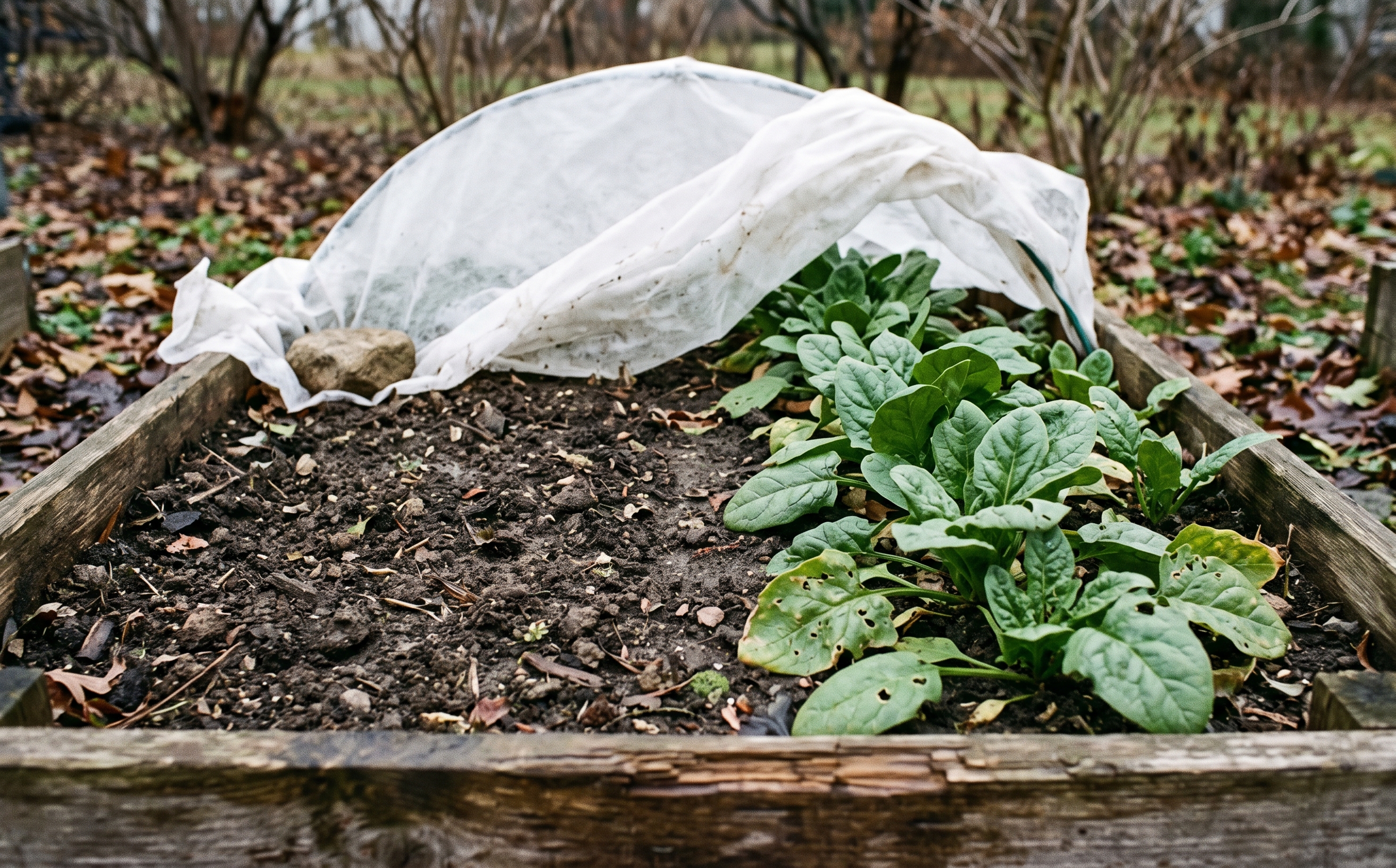
November planting lists can be generous. Lettuce! Carrots! Peas! Then you look out at a frosty bed and wonder whether everyone else has a different November. Some of them do. Before you buy another packet, check which crops still have time to grow where you live.
What can you plant in November?
In mild climates, November can suit radishes, carrots and cool-season transplants. In colder gardens, including many in zones 5 to 7, new outdoor sowings have little time to grow. Garlic may still fit your local window; overwintered spinach needs local guidance. Indoors, microgreens offer a shorter route to food.
Your hardiness zone describes average winter minimum temperatures. It cannot tell you today's soil temperature or how much daylight remains. Two gardens in the same zone can need different planting dates. Start with a planting calendar for your county or nearby area.
| Your November conditions | What to consider | Harvest expectation |
|---|---|---|
| Cold weather, short days, outdoor sowing window closed | Harvest established crops. Check whether garlic still fits locally. Start microgreens indoors. | A new row of seed is unlikely to fill winter salad bowls. |
| Mild winter, with a local late-fall spinach recommendation | A small trial of locally recommended spinach, with the protection your local guide specifies | Possible spring growth if plants survive winter, rather than a promised December harvest |
| Mild climate with November dates on the local calendar | Direct-sown carrots or radishes; suitable kale or lettuce starts. Check each crop separately. | Growth through the cool season, with timing set by crop and weather |
Florida's November calendar, for example, allows carrots and radishes from seed across the state, while lettuce transplant dates vary by region. Even a warm state needs more than one list.
Download the free Beginner's Gardening Checklist
A simple two-page list of the supplies and seeds a first garden actually needs. Tell me where to send it and it's yours.
Form not loading? Some ad-blockers hide it. Tap here to sign up instead.
Check the growing time before buying seeds
Cold tolerance tells you what a plant can survive. Harvest timing also depends on warmth and light. A packet's days to maturity can lengthen in fall, so a fast crop on paper can sit almost still outdoors.
Below about 10 hours of daylight, vegetable growth becomes very limited. In Maryland, that period runs roughly from mid-November through late January. Farther north, it starts earlier. A fall planting guide explains the daylight slowdown. Row cover can protect plants, but it cannot lengthen the day.
1. Find the local planting date. Look for the crop and whether the date means sowing seed or setting out transplants. The two are not interchangeable. If the fall window has passed, save the seed for the next recommended date.
2. Decide when you want to eat it. A winter harvest often starts with plants established in late summer or early fall. In Minnesota, fall spinach sowing belongs around two months before the average first frost. November is well past that schedule. In milder places, late-fall spinach can sometimes overwinter for spring.
3. Pick one manageable planting. Where the outdoor window is open, try a short row of radishes or a few suitable starts. Where it has closed, try radish microgreens indoors in a clean tray with growing mix and adequate light. A dim windowsill may need a grow light.
Quick test: before opening a seed packet, find its crop on your local calendar and confirm whether November means sowing, transplanting or harvesting an earlier planting. A blank November planting column is useful information. Keep the packet dry.
Garlic has a separate schedule. It needs time to root before the ground freezes; a common recommendation is about three weeks. For that decision, read the late garlic planting guide. Check your local timing before buying cloves.
For your next suitable seed-sowing window, I've ordered from SeedsNow for years; non-GMO and they've never let me down. Choose the crop after checking the calendar. Seed shopping has a way of reversing that order.
Common questions about November planting
Seeds and transplants have different starting points. The harvest season also changes with your local conditions.
Can I sow seeds in November, or do I need transplants?
You can sow seeds where your local planting calendar still allows it. Carrots and radishes belong directly in the soil. Established lettuce or kale transplants can save growing time in a mild climate, but they still need suitable weather. In a cold garden, buying a bigger plant does not reopen a closed planting window.
Will a November planting give me a winter harvest or a spring harvest?
A winter harvest needs enough warmth and light for growth before the coldest weeks. In colder gardens, much of the winter harvest comes from plants established earlier. Locally recommended overwintered spinach may resume growth in spring if it survives. Fall-planted garlic usually matures the following summer. None of these dates is a guarantee.
This week, choose one crop and check its local planting window. If you're planning ahead for next fall, the September and October planting guides continue the seasonal series.
Want the beginner's steps in one place? Start with my Backyard Garden book for beginners.
Happy growing!
Priscilla
Get the free Beginner's Gardening Checklist
Form not loading? Some ad-blockers hide it. Tap here to sign up instead.
Plus one honest, helpful email a week. No spam, unsubscribe anytime.